
 List Your Practice

 Learn
Learn ID Symptoms
 Get News
 Find Help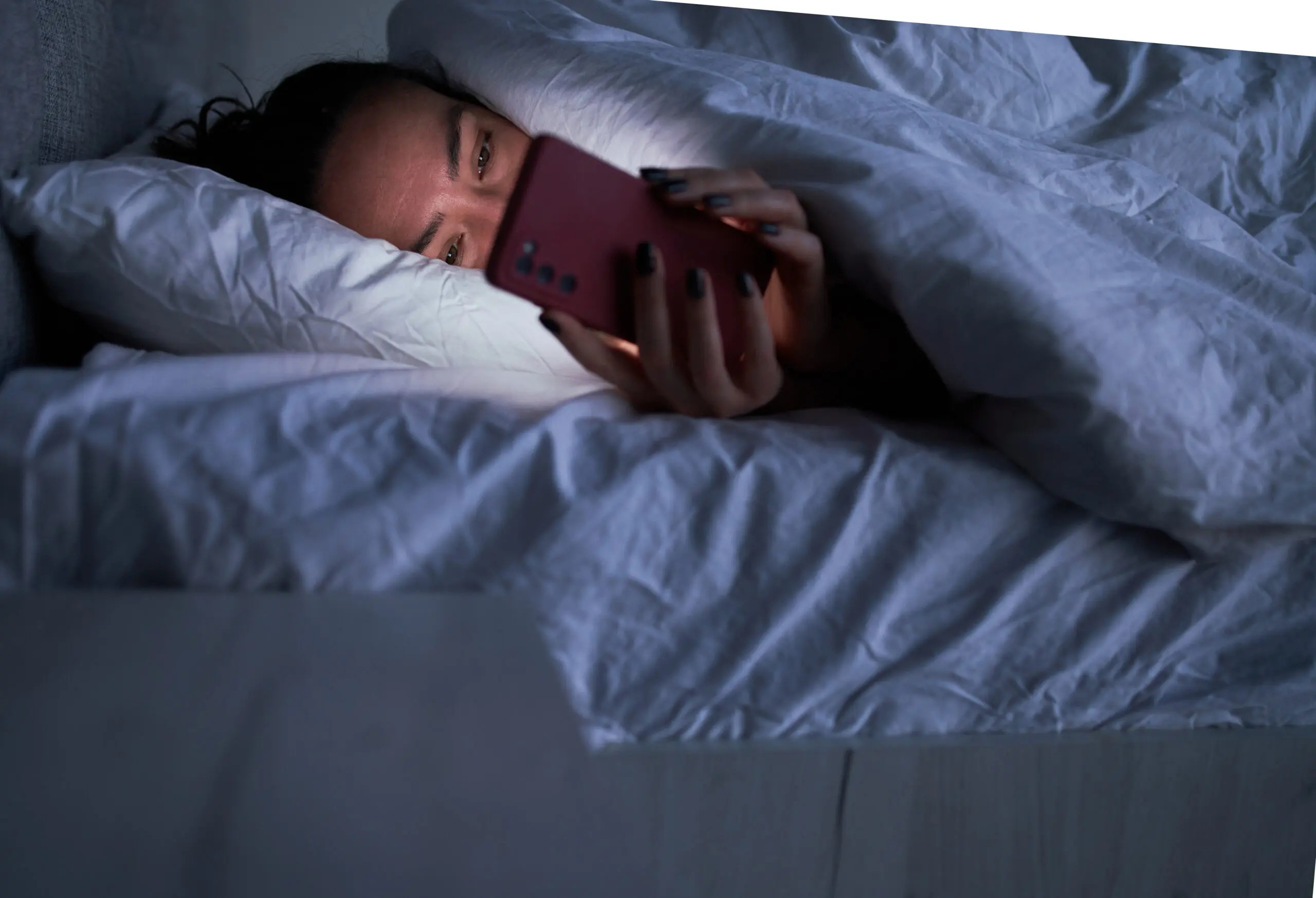
Billions of people around the world wake up every day the same way, reading traumatic news. They reach for a phone, open a news app, and scan the latest headlines. Before we even get out of bed, we already know about a natural disaster on another continent, political unrest across the globe, a mass shooting in a distant city, and economic worries affecting millions of people we will never meet. We instantly plug our brains into the pain and suffering of innumerable people around the world.
With the rapid proliferation of internet access and smartphones, the constant exposure to distressing information has become normalized over the past two decades. However, from a psychological perspective, it’s a massive change from how humans have received news for most of history.
Our brains evolved in small social groups where threats were local and directly connected to our immediate survival. The stress response was critical to keeping us alive. It prepared our bodies to react to danger and protect each other. When the danger passed, the stress response wound down. Nothing in human evolution prepared us to process a nonstop stream of global crises, yet here we are.
A Brief History of the News
For the vast majority of human history, news traveled slowly. Before the invention of the printing press, news transmission was by word of mouth, messengers on foot, horseback riders, or ships crossing long distances. Communities depended on town criers, public officials whose job was to deliver news and official notices to the public. They would make announcements in public squares and post handwritten notices at places like churches or other publicly frequented locations. Oral communication was key in these times because much of the populace was illiterate.
Before the Industrial Revolution and the advent of early electronic communication like the telegraph, news often took days, weeks, and months to arrive. Additionally, almost all the news was local. People learned about events that directly affected their immediate communities. Occasionally, they heard news from far-off places, but it was significantly delayed and occupied only a small part of people’s everyday lives.
When the printing press became widespread and newspapers grew in abundance, it was the first time large numbers of people could regularly read about wars, disasters, and political events occurring in distant places. However, timing was still restricted. Newspapers were just daily, and there were very few images. People were still able to limit their consumption of news to a small part of their daily attention and energy.
Through all this time, it wasn’t really possible to overconsume news like we do today. There was no such thing as doomscrolling. The pace of the news matched the stress response system that humans had evolved over thousands of years. It activates during immediate threats and then calms down once the danger has passed. With news coming slowly, there were natural breaks between alarming pieces of information, allowing us time to return to baseline.
Radio and Television Arrive
The advent of radio and television was a massive change in how people could choose to consume the news and media in general. What once required a decent amount of effort and action (buying a newspaper and sitting down to read it) was now very passive (simply switching on the TV or radio and letting it play forever). This was the first time that media could easily traumatize people. In 1938, Orson Welles’ adaptation of “War of the Worlds” was broadcast on the radio. Many listeners believed its description of an alien invasion, and public panic ensued.
Radio and TV allowed people to hear and see events as they happened. The news was delivered in real time through voices and video that made distant suffering feel immediate and personal. People could finally watch disasters and wars play out in their living rooms. Not only was the news more graphic than ever, but it could also be constant. The introduction of 24-hour cable news allowed people to leave it playing as long as they wanted, passively consuming traumatic news like never before. News no longer had a beginning and an end. Instead, it became a continuous flow of information that needed to be filled around the clock.
Buying and Selling Attention
The rapid proliferation of available media and news meant that every channel was competing for viewers’ attention. Coverage often became increasingly sensational. Everything became a crisis that needed eyes and ears. Breaking news banners, dramatic language, and repeated exposure to the same distressing stories increased emotional intensity.
The advent of the internet in the 1990s and the rise of smartphones in the early 2000s accelerated these changes dramatically. They’ve reshaped the landscape of media and news. There’s “traditional” media, and modern, “social” media. Professional journalism still exists, but it’s only hanging on by a thread. We’re exposed now to so much commentary, speculation, graphic images, and emotionally charged reaction media. We witness constant streams of tragic events analyzed endlessly and shared instantly across platforms around the world.
Smartphones and our constant connection with them have brought us to where we are today. The news is ever-present. It follows us everywhere, arriving through push notifications, social media feeds, emails, and apps. We can’t escape it. The biggest trick played on us seems to be that we don’t even want to, either. We’re addicted to our phones.

The Constant Stress Response
This persistent access to traumatic news is toying with the innate human stress response in ways never before possible. Our brains struggle to differentiate between real, immediate danger and threats that we just see on screens. Every awful headline can trigger stress. When this happens dozens of times a day, our bodies don’t get a chance to reset. This gives many people who are chronically consuming the news the sensation that the world is constantly in crisis, even when they themselves are safe.
This is far more stress than our bodies evolved to handle. We witness the trauma of thousands of people around the world every day in the news. None of our ancestors ever had to do that. This leads to growing numbers of people with chronic anxiety because of the sensation that danger lurks around every corner. To cope with this, many people can flip the other direction, feeling completely numb and burned out from constantly viewing trauma they don’t have the emotional capacity to deal with.
As a result, many people feel torn between staying informed and protecting their mental health. Some people feel guilty for stepping away from the news, but many feel so overwhelmed and emotionally drained that they have no other choice. We want to care. It’s in our nature. But we can’t carry the emotional weight of every tragedy happening around the world.
Changing Our Relationship with the News
We need to cultivate a healthier and more sustainable relationship with the news. Being informed does not require constant monitoring of every worldwide event. Take breaks from news and limit your exposure. Don’t passively consume an endless stream of content. Instead, try to be more intentional with the time and energy you put into reading the news. It is still possible to consume news in a balanced manner. It just takes a bit more effort now not to overdo it.
 Share
Share
 Share
Share
 Share
Share
 Share
Share